
Hybrid Inverters Explained: The Core of Modern Energy Systems
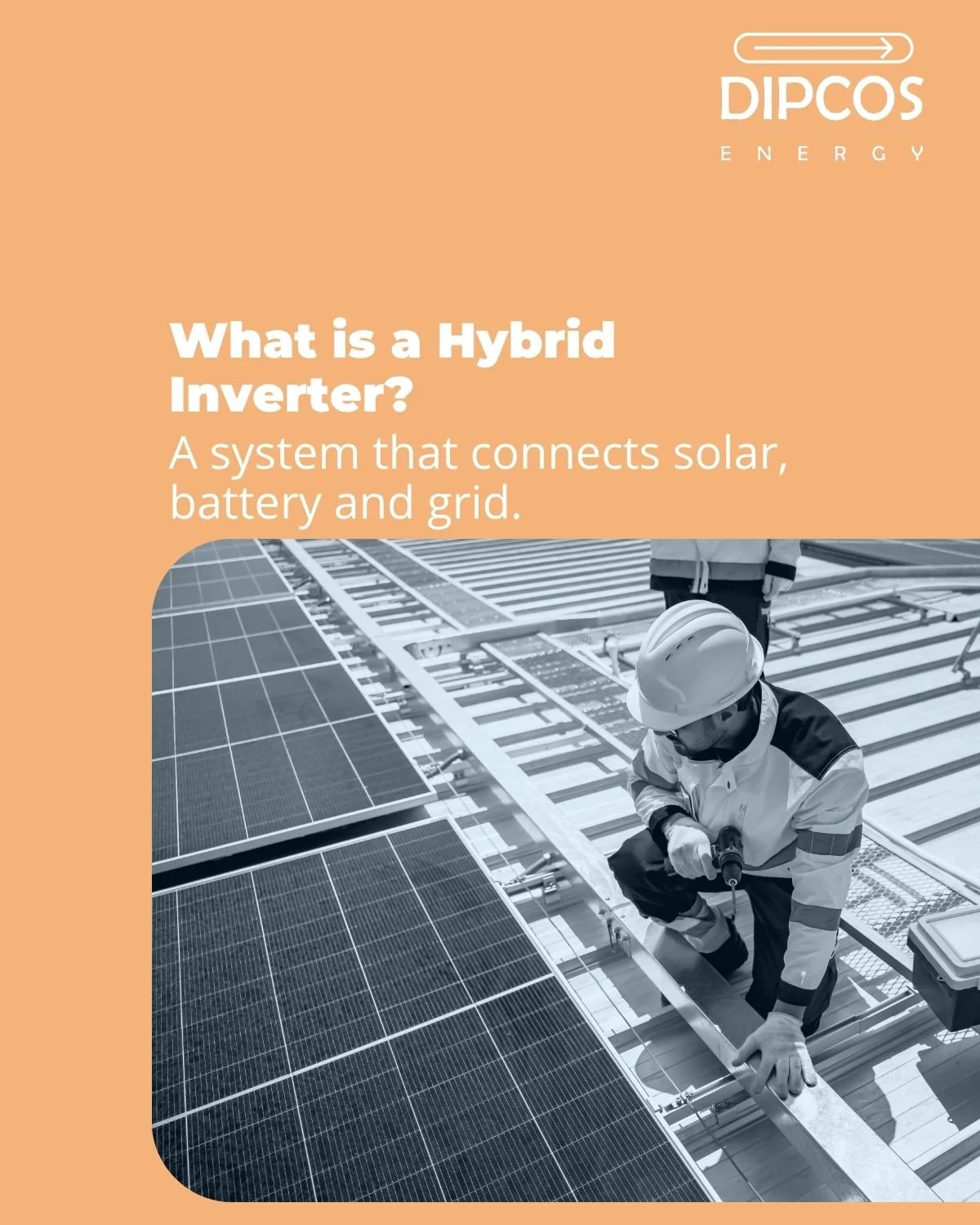
As energy systems become more advanced, the role of the inverter is evolving.
Traditional inverters convert energy — but hybrid inverters manage it.
What Is a Hybrid Inverter?
A hybrid inverter is designed to integrate multiple energy sources into a single system:
Solar panels
Battery storage
The electrical grid
Instead of simply converting energy, it controls how energy flows within the system.
How It Works
A hybrid inverter continuously manages energy based on availability and demand.
This allows it to:
Store excess solar energy in batteries
Supply energy when solar production is low
Draw energy from the grid when necessary
Optimize consumption automatically
Why It Matters
Hybrid inverters provide a level of flexibility and control that traditional systems cannot offer.
They enable:
Greater energy efficiency
Reduced reliance on the grid
Protection against outages
Smarter energy usage
A System That Adapts
One of the key advantages of hybrid systems is adaptability.
As energy needs grow, storage capacity can be increased and system configurations adjusted.
This makes hybrid inverters a central component in scalable energy solutions.
Looking Ahead
The future of energy systems is not just about production —
it is about intelligent management.
Hybrid inverters are at the core of that transformation.
🔘 Reliable energy. Real independence.
